
Key Priorities

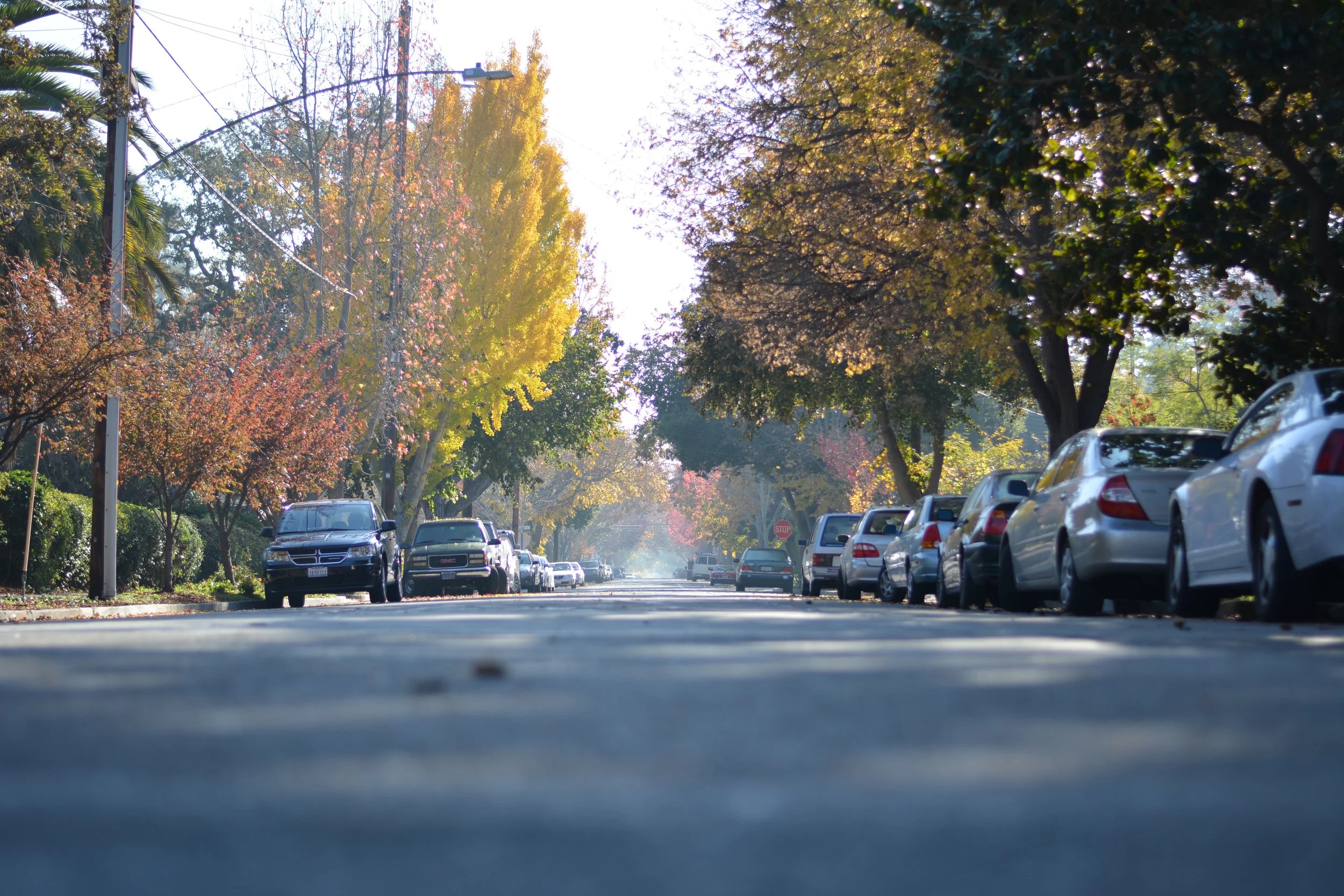
Concrete Action on Climate Change
The city has long been committed to a goal to have an 80% reduction in greenhouse gases by the year 2030 (from baseline year 2016). If achieved, Palo Alto will be a national leader on climate change.
Now it is time to get to the “devil in the details” on how each citizen can be energized to take concrete steps to help this goal become reality. We can do this!
Palo Alto is already a national leader in EV ownership. (My wife and I got a Chevy Bolt last year!) Now the city needs to create and communicate specific programs to accelerate progress.
For example, how can we avoid installing more gas water heaters? With help from the city to ease purchase and installation of electric water heaters, and with same day delivery service, we can make sure we are not installing new devices that use natural gas for another 20 years. I will have laser focus on equitable, practical programs that our residents can afford that will gradually reduce natural gas usage.
“For six years on the Planning & Transportation Commission, Ed has worked on traffic congestion, transit, and safety for pedestrians and biking. He listens to the community and he has the experience and problem-solving skills we need to make transportation work for everyone.”
Nadia Naik
Former Chair, Expanded Community Advisory Panel for Grade Separations
Environmental Preservation
In parallel, we must maintain vigilance and take action on other areas of environmental preservation. While Parks Commissioner, I led development of the Parks Master Plan, which prioritized many environmental goals:
Habitat and ecosystem preservation
Increased urban forest canopy
Native species plantings
Stormwater bioswales to provide habitat and safe paths of travel for wildlife
Transformation of the old Palo Alto dump into Byxbee Park
Sea level rise is a serious threat in Palo Alto. We need to optimize for nature-based resilience to sea level threats through expanded wetlands and flexible open space that can support habitat while mitigating flood impacts. We should not focus exclusively on fortification via flood walls and levees. And we have to consider not only tidal flooding, but also flooding and contamination due to groundwater rise.
Tree Protection
Lastly, we are now thoroughly revising the city’s tree ordinance containing regulations for the removal of city trees in commercial and residential areas. I strongly support an updated tree ordinance for both residential and commercial areas.
At long last our updated municipal code will comprehensively cover all situations such as root trimming, relocation, and removal so we don’t unnecessarily kill protected and larger trees that are many decades old.